
CFD Risk Management Techniques
Master CFD risk management techniques using Exness platform. Learn position sizing, stop losses, and portfolio protection methods.
Understanding CFD Risk Management Fundamentals
Risk management is essential for effective CFD trading. Our platform offers comprehensive features designed for traders to manage exposure and protect capital. CFDs involve leverage, increasing both potential gains and losses. We provide tools to gauge risk before opening positions, ensuring informed decisions. Awareness of asset correlations and market behavior is critical to controlling risk.
Exness supports a broad selection of instruments including major forex pairs, commodities, and indices. Leverage options range from 1:1 to 1:2000, adjustable by instrument and client classification. Conservative leverage use is advised for risk containment. Our analytics team continuously updates market correlations to guide strategic asset allocation.
| Risk Level | Position Size | Stop Loss Distance | Recommended Leverage |
|---|---|---|---|
| Conservative | 0.5-1% | 20-30 pips | 1:10-1:30 |
| Moderate | 1-2% | 15-25 pips | 1:30-1:100 |
| Aggressive | 2-3% | 10-20 pips | 1:100-1:500 |
Accurate risk assessment ensures sustainable trading. Traders must combine position sizing, stop placement, and leverage control. Our platform provides all necessary indicators and calculators to implement these principles easily.
Stop Loss Implementation Strategies
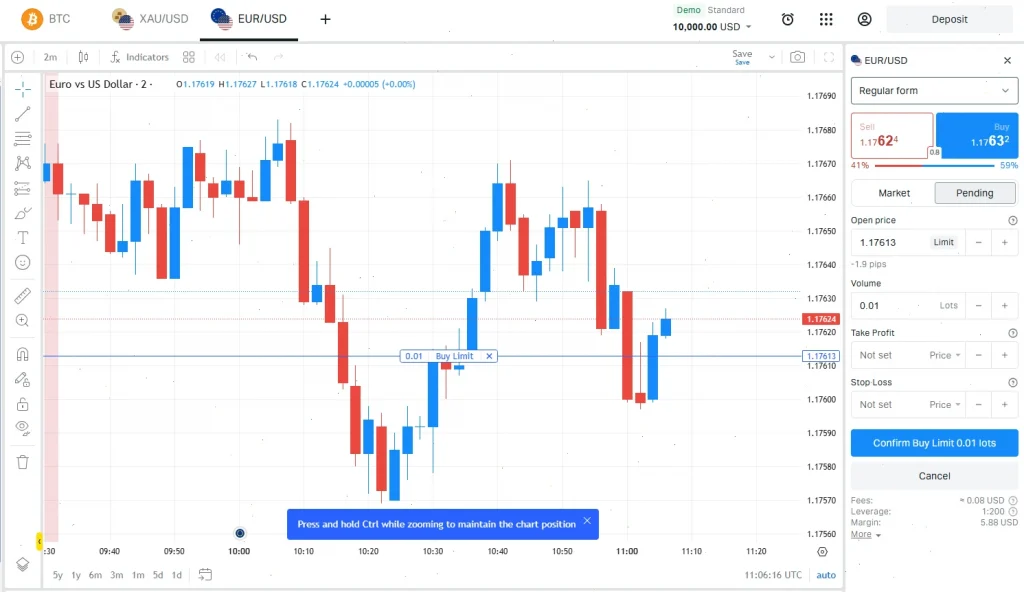
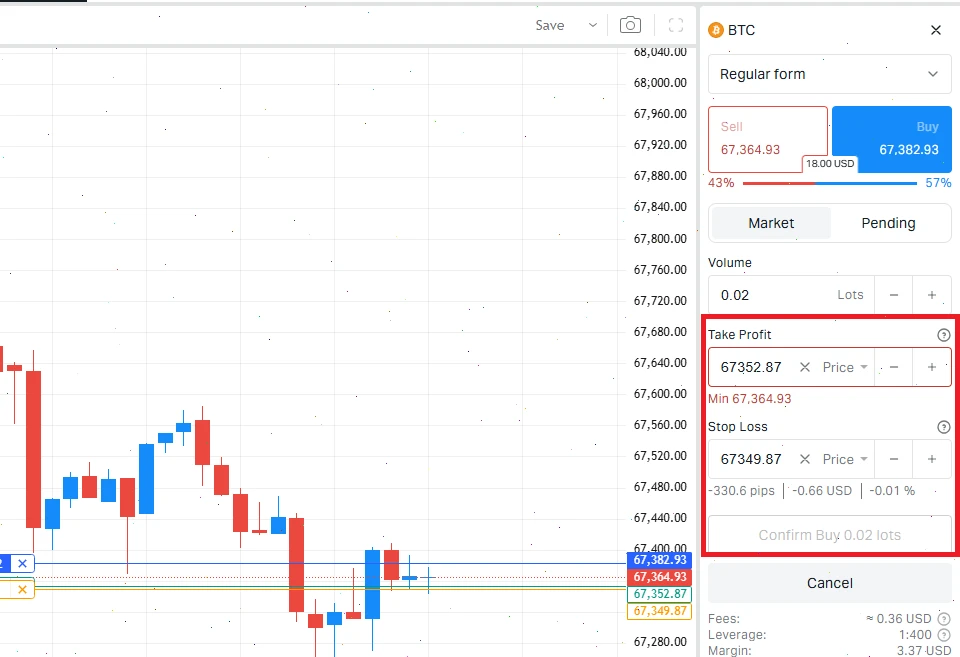
Stop loss orders protect against excessive losses by closing trades automatically at preset levels. Exness supports fixed, percentage-based, and trailing stops. Fixed stops suit range-bound markets and should be placed beyond key technical points to avoid premature exits. Trailing stops adjust dynamically with price movement, securing profits during trends.
Volatility-based stops use ATR calculations integrated into the platform for adaptive stop distances. This method tailors stop loss placement to current market fluctuations. Multiple exit levels let traders close portions of positions at distinct target prices, reducing risk exposure progressively.
Time-based stop losses close trades after specified durations, useful for event-driven strategies. Our system allows easy configuration of all stop types within the order interface.
Position Sizing and Capital Allocation
Determining the correct position size is critical to controlling risk. We provide an automated position size calculator that factors in account balance, risk percentage, and stop loss distance. This tool streamlines trade setup by removing manual errors. Using methods like the Kelly Criterion and fixed fractional sizing enhances capital preservation and growth.
Dynamic sizing adjusts lot sizes based on market volatility and asset correlation. Our correlation matrix updates in real-time, helping traders avoid concentrated risk. Position sizing workflow on our platform follows these steps:
- Define maximum acceptable loss in AED
- Set stop loss distance in pips or percentages
- Use the calculator to determine lot size
- Ensure portfolio risk limits are respected
- Place the trade with predefined parameters
This structured approach supports disciplined risk management and reduces emotional trading errors.
Portfolio Risk Assessment Tools
Our risk dashboard offers a consolidated view of portfolio exposure, margin usage, and asset correlation. Traders can monitor all open positions and receive alerts when risk thresholds are approached. Value at Risk (VaR) metrics estimate potential losses under typical market conditions, while stress tests simulate extreme scenarios.
Real-time margin level indicators help avoid margin calls by signaling when margin usage nears dangerous levels. Drawdown metrics track peak-to-current losses, providing insights into portfolio health. Heat maps visualize concentration risks across markets and instruments, crucial for diversified portfolios.
| Metric | Green Zone | Yellow Zone | Red Zone |
|---|---|---|---|
| Margin Level | >300% | 200-300% | <200% |
| Portfolio Drawdown | <5% | 5-15% | >15% |
| Single Position Risk | <2% | 2-5% | >5% |
This suite of tools provides traders with actionable portfolio insights to maintain balanced risk exposure.
Hedging Strategies for CFD Traders
Hedging reduces portfolio risk by taking offsetting positions. Our platform enables direct hedging on identical CFDs and cross-hedging between correlated assets. Currency hedging tools help clients manage foreign exchange exposure on USD and other foreign-denominated instruments.
Sector hedging is facilitated through correlation analytics, enabling traders to balance long and short positions within related markets. Partial hedging strategies allow risk reduction without fully sacrificing profit opportunities. Dynamic hedging adapts hedge ratios as market correlations change.
Cross-asset hedging uses positions in forex, commodities, and indices to diversify risk efficiently. Our system provides alerts for correlation deviations to maintain hedge effectiveness.
Risk Management During Market Volatility
Volatile market conditions require adjusted risk controls. Our volatility indicators signal when to reduce position sizes, typically by 30-50%. Gap risk analysis warns traders of price discontinuities occurring between trading sessions, critical for weekend and holiday periods.
Economic calendar integration highlights key news events that cause rapid price swings. We advise avoiding new positions 30 minutes before and after such announcements. Strategies optimized for volatility include breakout entries using Bollinger Bands and ATR, and tight-range trading during calm periods.
| Volatility Management | Recommended Actions |
|---|---|
| High Implied Volatility | Reduce position size, widen stops |
| Low Volatility | Use range-bound strategies, tighten stops |
| News Events | Avoid new trades, monitor existing positions |
These adaptive techniques help traders maintain consistent risk levels through varying market environments.
Technology and Risk Management Integration
Our platform tightly integrates risk management into trade execution. Traders can set stop losses, take profits, and position sizing within the order entry window. Automated rules enable predefined risk responses like trade closure or stop loss adjustments based on portfolio metrics.
Mobile app access ensures continuous monitoring and management of risk parameters. Cloud backups secure risk settings to prevent data loss during technical disruptions. Artificial intelligence modules analyze trading behavior and suggest improvements for better risk control.
| Feature | Desktop Platform | Mobile App | Web Terminal |
|---|---|---|---|
| Stop Loss Orders | Full Support | Full Support | Full Support |
| Position Calculator | Advanced | Basic | Intermediate |
| Risk Dashboard | Complete | Simplified | Standard |
| AI Recommendations | Available | Limited | Not Available |
These technologies provide traders with robust and flexible risk management capabilities across all devices.
Regulatory Compliance and Risk Disclosure
CFD trading entails significant risk and may not suit all investors. We provide clear risk disclosures and educational resources tailored for clients. Leverage and margin requirements are transparently displayed for each instrument. Traders must acknowledge these warnings before using leveraged CFDs.
Negative balance protection safeguards clients from owing beyond their deposited amounts. This feature is standard for retail accounts on our platform. Our compliance framework emphasizes responsible trading, combining education with advanced risk tools to foster sustainable trading practices.
Ultimate success in CFD trading depends on disciplined risk management rather than individual trade outcomes. We encourage traders to utilize all available resources and tools to maintain consistent risk control.
❓ FAQ
What is CFD Risk Management and why is it important?
CFD Risk Management involves strategies to control exposure and prevent large losses while trading contracts for difference. It is crucial due to market volatility and leverage effects inherent to CFDs.
How does Exness platform help implement stop losses?
Our platform offers fixed, trailing, percentage-based, and ATR-based stop losses directly in the order interface, allowing traders to automate risk limits easily.
Can I hedge my CFD positions using Exness?
Yes, Exness supports direct and cross-asset hedging with tools to analyze correlations and adjust hedge ratios dynamically to reduce portfolio risk.