
Exness App for PC
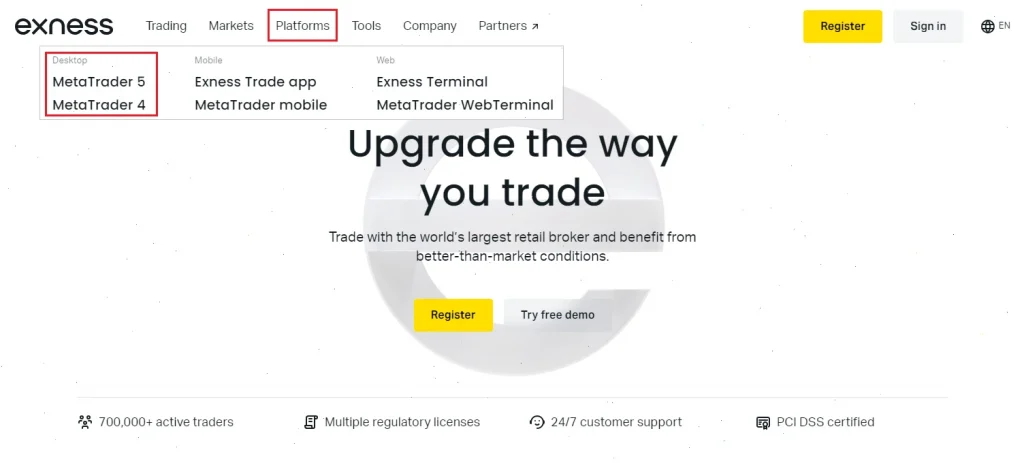
Download Exness PC app for seamless trading in Trading. Get advanced charting tools, real-time quotes, and secure access to forex and CFD markets.
Using the Exness Desktop Platform: What to Expect
The desktop version of Exness is built for traders who prefer a stable, full-screen workspace rather than switching between browser tabs. It provides access to a wide range of markets — including currency pairs, indices, and commodities — with more than 200 instruments available.
Execution speed is often a concern, especially during volatile sessions. Here, orders are typically processed in around 0.3 seconds. In practice, that can make a noticeable difference when prices move quickly, particularly for short-term strategies.
The platform includes over 50 built-in indicators and supports multiple account types. This allows users to adapt the setup depending on whether they trade occasionally or run more active strategies.
| Feature | Details | How it feels in practice |
|---|---|---|
| Execution Speed | ~0.3 seconds | Orders are filled quickly even during active sessions |
| Available Assets | 200+ instruments | Easy to diversify across different markets |
| Indicators | 50+ tools | Enough for both basic and advanced analysis |
| Account Types | Standard, Pro, Zero | Different cost structures depending on trading style |
System Requirements and Performance
The application runs on most modern Windows systems without issues. A typical setup includes a 64-bit operating system, at least 4GB of RAM, and a basic multi-core processor. While this is considered minimal, smoother performance is noticeable with slightly higher specs — especially when working with multiple charts.
Screen flexibility is another advantage. Whether using a standard laptop display or a larger multi-monitor setup, the interface adjusts without losing clarity.
Hardware Considerations
Running several charts at once is common. The platform handles up to eight chart windows simultaneously, which is useful for comparing instruments or timeframes. Memory usage remains relatively stable due to internal optimization, so it doesn’t slow down as quickly as browser-based tools.
Internet and Connectivity
A stable connection matters more than raw speed. Even a modest 1 Mbps connection is usually enough, though consistency is key. The system automatically adjusts data flow depending on network conditions, helping reduce delays.
Secure connections (SSL encryption) are used for data transfer, and the platform supports proxy setups — something that can be relevant in restricted network environments.
Installation: How It Works
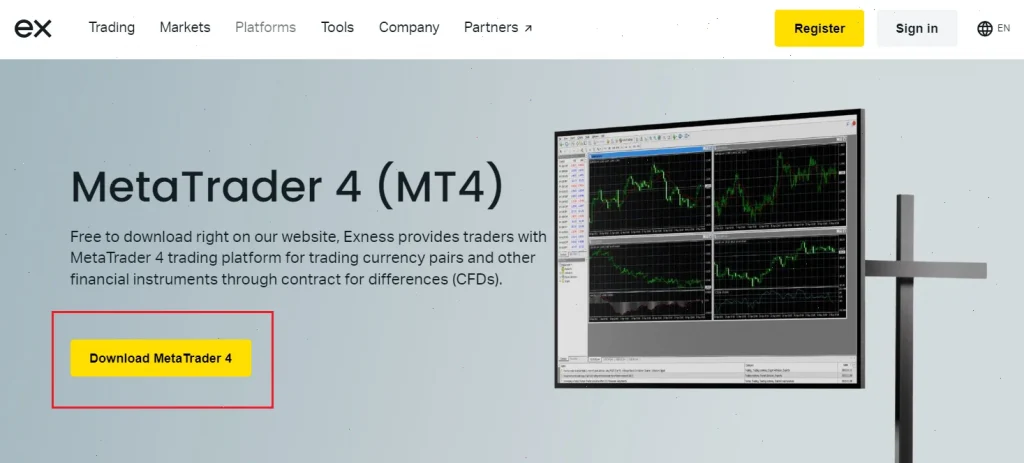
The installation process is straightforward. The setup file is relatively small (around 85MB), so it downloads quickly on most connections. After launching the installer, the system guides you through a standard setup — no unusual steps.
Most users complete the installation in under five minutes. If a previous version is detected, the platform can import settings and account data automatically, which saves time.
Before Installing
It’s generally a good idea to update your system and close other trading software before starting. Some users temporarily disable antivirus tools if they interfere with installation, although the application itself is digitally signed.
Initial Setup Options
During installation, you can define basic preferences — such as chart style, notification settings, and default trade parameters. These can be changed later, but setting them early makes the first launch smoother.
Logging In and Managing Accounts
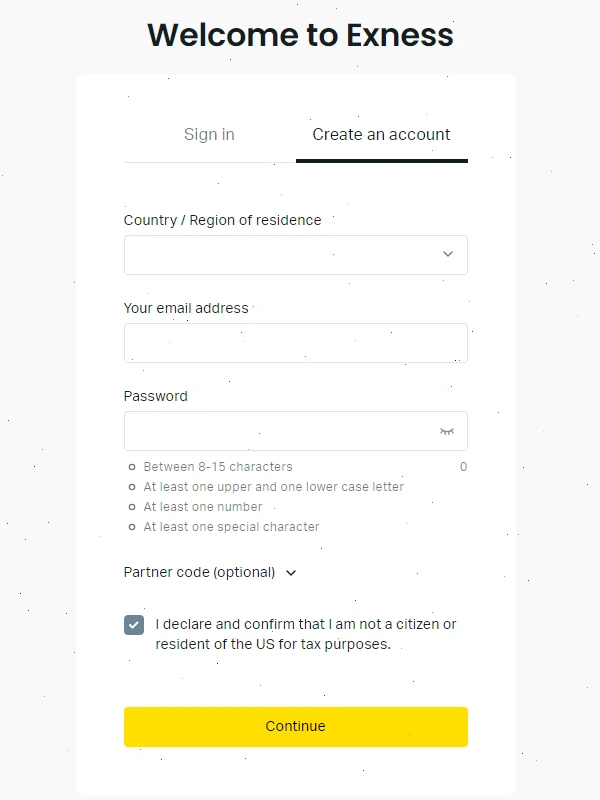
After launching the platform, logging in requires standard account credentials. Once connected, the system syncs balances, open trades, and history almost instantly.
Security features include optional two-factor authentication, which many traders enable to reduce the risk of unauthorized access.
| Access Method | Security Level | Typical Setup Time |
|---|---|---|
| Password only | Basic | ~30 seconds |
| 2FA | Higher protection | ~1 minute |
| Biometric (if supported) | Advanced | ~45 seconds |
| SSO | Enterprise-level | ~1–2 minutes |
Sessions remain active but automatically expire after inactivity, which adds an extra layer of protection.
Working with Multiple Accounts
Switching between accounts is simple and doesn’t require logging out each time. This is particularly useful for those who separate strategies — for example, one account for manual trades and another for automated systems.
Interface and Daily Use
The interface is flexible and can feel overwhelming at first, especially with multiple panels open. But after some adjustment, most users organize it into a layout that fits their routine.
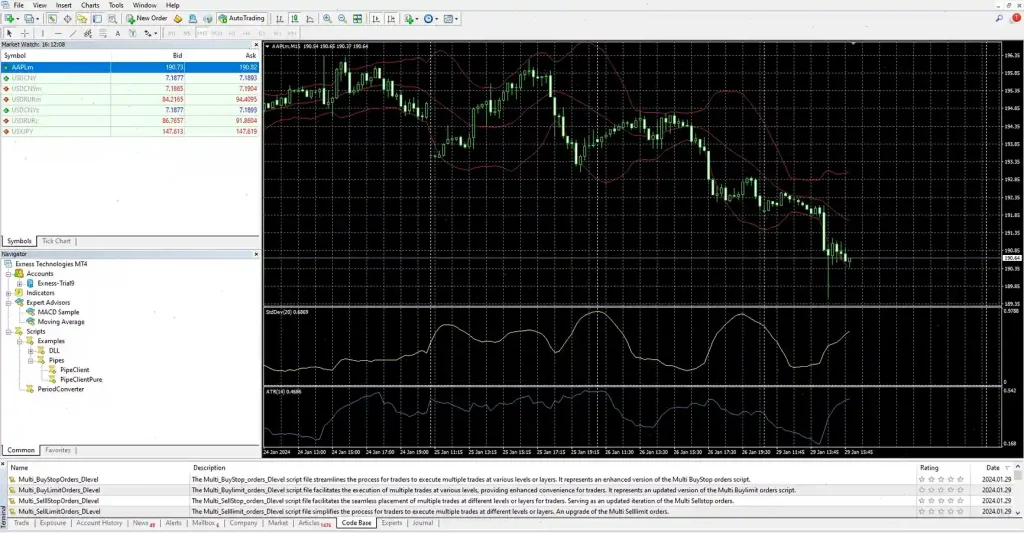
The main workspace includes charts, order windows, and account data. One-click trading is available, which speeds up order placement — though it also requires caution, since trades can be opened instantly.
Charts and Analysis
Charts support multiple timeframes, from one minute to monthly. Historical data can go back several years, which helps when testing ideas.
Technical tools include indicators, trend lines, and Fibonacci levels. Many traders rely on a small subset rather than all available tools — too many indicators can make decisions harder, not easier.
Managing Trades
Orders can be placed as market or pending, with stop-loss and take-profit options. Real-time spreads and pricing help assess entry conditions.
Some traders notice that execution remains stable even during busy periods, though slippage can still occur — which is normal in fast-moving markets.
Advanced Features
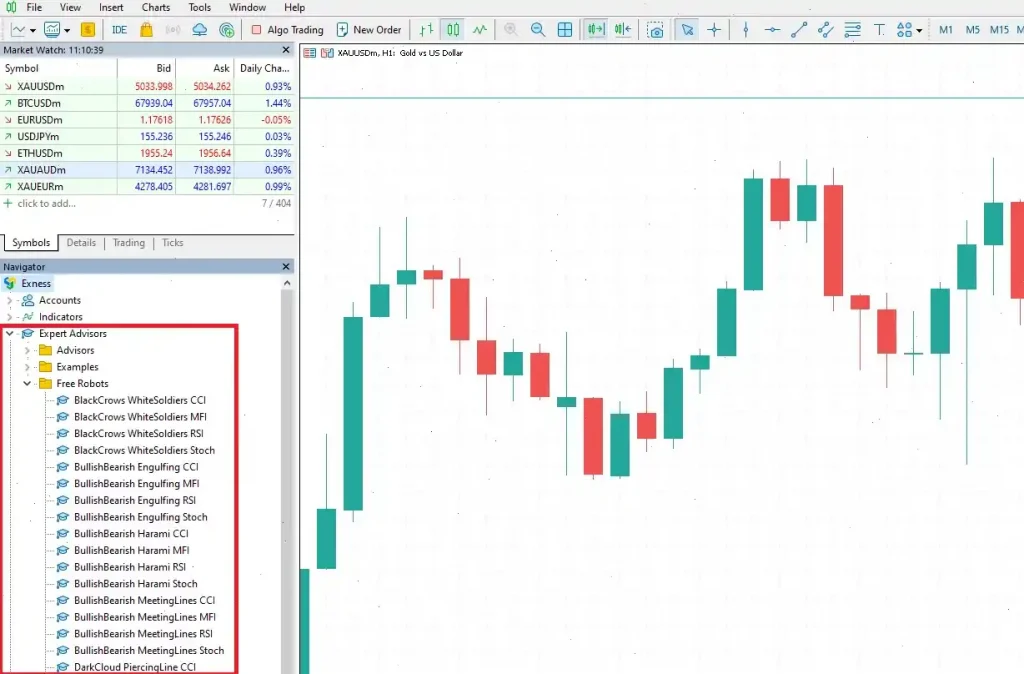
For those exploring automation, the platform supports algorithmic trading through Expert Advisors. These systems can run continuously and follow predefined rules without manual input.
Backtesting tools allow strategies to be tested using historical data. While results can look promising, real conditions often differ — something experienced traders keep in mind.
| Function | What it does |
|---|---|
| Automation | Runs strategies automatically |
| Copy Trading | Follows other traders’ positions |
| Advanced Orders | Includes structured execution options |
| Market Tools | Provides data like volatility and sentiment |
Automation in Practice
Automated systems can reduce emotional decision-making, but they still require monitoring. Market conditions change, and strategies that worked before may stop performing.
Security and Data Handling
Security is handled through encryption standards commonly used in financial systems. Local data is protected, and communication between the platform and servers is encrypted.
Two-factor authentication adds an extra step during login, which helps prevent unauthorized access even if credentials are exposed.
| Security Layer | Implementation | Purpose |
|---|---|---|
| Encryption | AES-256 | Protects stored data |
| Connection Security | SSL | Secures data transfer |
| Monitoring | Real-time tracking | Detects unusual activity |
| Backups | Encrypted storage | Preserves settings and data |
Trading always involves risk, and security features don’t eliminate financial loss — they only protect access and data.
Support and Learning Resources
Support is available during market hours through chat, email, and phone. Response times can vary, though live chat is usually the fastest option.
For beginners, demo accounts are often the first step. They allow practice without real funds, which helps understand how orders work before moving to live trading.
Available Help Options
- Live chat support
- Email assistance
- Phone contact
- Remote troubleshooting
- Demo trading environment
- Video tutorials and webinars
Learning resources are helpful, but real experience tends to matter more over time. Many traders refine their approach gradually rather than relying solely on guides.
 FAQ
FAQ
How long does installation take?
Usually a few minutes. Most of the time is spent downloading the installer.
Can the platform run on a basic computer?
Yes, though performance improves with more RAM and a better processor.
Is it possible to use multiple accounts?
Yes, switching between accounts is built into the platform.
Does it support automated trading?
Yes, Expert Advisors can run strategies automatically, but they still require monitoring.
How is data protected?
Encryption and secure connections are used, along with optional two-factor authentication.