
How to Verify Exness Account
Complete your Exness account verification in Trading with our step-by-step guide. Fast document upload, instant approval process.
Account Verification: What Actually Happens
Opening an account is quick, but using it without limits usually requires verification. This step isn’t just a formality — it’s tied to financial rules that platforms must follow and helps prevent unauthorized access to funds.
In practice, most users are asked to confirm two things: identity and address. The platform checks whether the person behind the account is real and whether the provided details match official records.
Accepted documents typically include:
– A passport or other government-issued ID
– A driver’s license (if it includes a photo)
– A recent document showing your address (like a utility bill or bank statement)
Many traders notice that verification often completes faster than expected — sometimes within minutes — but occasional manual checks can stretch the process closer to a day.
| Document Type | What Works | Typical Timing | Key Detail |
|---|---|---|---|
| Identity | Passport, ID card, driver’s license | ~5–30 minutes | Photo + full document visible |
| Address | Utility bill, bank statement | ~5–30 minutes | Issued within 6 months |
| Extra checks | Case-based documents | Up to 24 hours | Requested only if needed |
Getting Started: Before Uploading Anything
Accessing Your Account Area
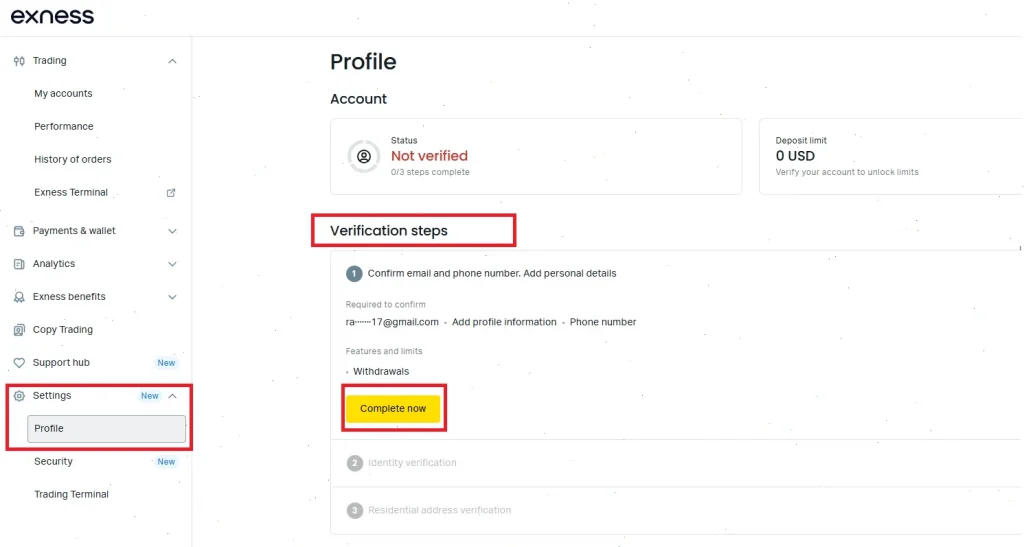
After logging in, you’ll land in a dashboard where verification status is clearly shown. Usually there’s a prompt to finish your profile — that’s where the process begins.
This area also shows:
– which documents are missing
– whether something is under review
– if any corrections are required
Updates appear almost instantly, which helps avoid guessing what’s happening.
Filling in Personal Details
This part sounds simple, but it’s where many delays start. The information entered must match your documents exactly — even small differences in spelling can trigger a rejection.
You’ll also confirm your phone number. Besides basic security, this often activates extra protection like login confirmation codes. Many users find that accounts with completed phone verification move through checks slightly faster.
Preparing Documents Without Guesswork
Identity Files: Small Details That Matter
Photos or scans don’t need to be professional, but they must be clear. A common issue is glare or shadows hiding parts of the document.
A good upload usually has:
– all four corners visible
– no blur when zoomed
– readable text without distortion
Expired documents are another frequent problem. Even if everything else is correct, outdated IDs are typically rejected automatically.
Proof of Address: What Counts
Address verification is slightly stricter than it seems. The document must show both your name and full address in one place.
Examples that usually work:
– utility bills (electricity, water, gas)
– official bank statements
– formal letters from institutions
Digital versions are fine, but they should look like official documents — random screenshots rarely pass checks.
Uploading Documents Step by Step
How the Upload Works
Inside the verification section, you select the document type first, then upload the file. It sounds basic, but choosing the wrong category can slow things down.
Supported formats are usually:
– JPEG
– PNG
– PDF
Files up to about 10MB are accepted, which is more than enough for high-quality images.
| Step | What You Do | System Reaction | What Follows |
|---|---|---|---|
| Select type | Pick document category | Format checked | Upload enabled |
| Upload file | Add image or PDF | Initial validation | Preview shown |
| Confirm | Check clarity | Submission accepted | Review begins |
How Long It Takes (Realistically)
Most users see approval within half an hour, especially during working hours. If something looks unusual — for example, mismatched data — it may go to manual review, which can take up to 24 hours.
You’ll get notified either way, so there’s no need to keep refreshing the page.
Why Verification Sometimes Fails
Rejections aren’t rare, and they’re usually fixable. The most common issues are surprisingly simple.
Typical reasons include:
– blurry or low-light photos
– cropped edges of documents
– mismatched names or addresses
– outdated files
In practice, even a small mismatch — like missing apartment numbers — can pause the process. Double-checking details before uploading often saves time.
Technical Side of Uploads
Modern smartphones are more than enough for document photos. What matters more is stability and lighting.
Avoid compressing images too much. Over-compressed files may pass upload but fail readability checks, which leads to delays.
Tracking Progress Without Confusion
Dashboard Indicators
The account dashboard usually shows status using simple indicators — pending, approved, or rejected. Clicking on them reveals more detailed explanations.
You can also see:
– submission timestamps
– review duration
– previous attempts
This helps understand whether something is stuck or just being processed.
Notifications You’ll Receive
Updates are sent automatically, so you don’t need to monitor constantly.
| Update Type | How It Arrives | Timing | What It Tells You |
|---|---|---|---|
| Status change | Email / SMS | Instant | Approved or rejected |
| Extra request | Within ~1 hour | What’s missing | |
| Completion | Email + dashboard | Instant | Verification done |
What Changes After Verification
Once everything is confirmed, the account becomes fully functional. This mainly affects deposits, withdrawals, and trading limits.
In practical terms:
– withdrawal requests are processed faster (often within a day)
– limits on transaction sizes are removed
– more payment options become available
Some users also notice smoother access to support channels, especially when dealing with account-related issues.
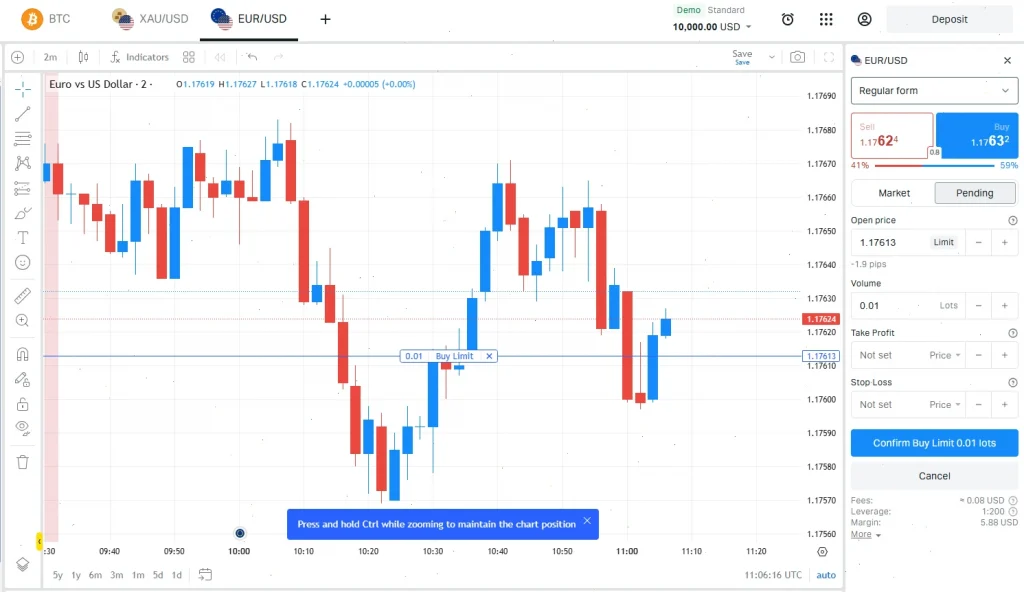
That said, verification doesn’t eliminate trading risk. Market volatility still applies, and access to more features simply means more responsibility in how the account is used.
Security and Data Handling
How Documents Are Protected
Uploaded files are encrypted during transfer and storage. Systems commonly use strong encryption standards, which means documents aren’t readable without proper authorization.
Access is restricted to specific personnel involved in verification. Activity logs track who accessed what, adding another layer of control.
Privacy Considerations
Documents aren’t shared freely. They may only be disclosed if required under financial regulations.
Users typically have the ability to:
– request access to stored data
– ask for deletion after account closure
– review what information is held
| Aspect | How It Works | Why It Matters |
|---|---|---|
| Encryption | Advanced protocols | Prevents data leaks |
| Storage | Secure servers | Controlled environment |
| Access | Limited staff only | Reduced exposure |
| Retention | Time-limited | No unnecessary storage |
| User rights | Data requests allowed | Transparency |
 FAQ
FAQ
How do I complete verification?
Log in, fill in your profile accurately, and upload identity plus address documents. Follow the prompts until everything is approved.
Which documents are usually accepted?
A passport or similar ID for identity, and a recent document showing your address — such as a utility bill or bank statement.
How fast is the process?
Often within 30 minutes, though some cases take up to a day if manual checks are required.
What if something gets rejected?
Check the reason shown in your account, fix the issue (usually clarity or mismatched data), and upload again.
Is my data safe?
Documents are encrypted and handled under strict access controls, with usage limited to verification purposes.