
CFD vs Futures Trading
Compare CFD and futures trading with Exness. Learn key differences, advantages, and how to choose the right instrument for your trading strategy.
Understanding CFD and Futures Trading Fundamentals
Contract for Difference (CFD) and futures represent distinct derivatives available on our platform. CFDs allow speculation on asset price changes without owning the asset itself. Futures contracts bind parties to transact assets at agreed prices on set dates. Both offer leveraged trading and the ability to profit from market movements upward or downward.
Our platform supports both CFD and futures trading across various asset categories. Forex pairs, commodities, indices, and stocks are available via CFDs. Futures trading covers agricultural goods, energy commodities, precious metals, and financial indices. Each type differs in execution, settlement, and margin rules.
The main distinction lies in contract terms and settlement. CFDs have no expiration, allowing flexible holding periods. Futures contracts expire on fixed dates requiring settlement or contract rollover. This difference impacts strategy and risk management significantly.
| Feature | CFDs | Futures |
|---|---|---|
| Expiration | No expiration | Fixed expiration dates |
| Settlement | Cash only | Cash or physical delivery |
| Contract Size | Flexible | Standardized |
| Trading Hours | Extended hours | Exchange hours |
| Margin | Variable | Initial and maintenance |
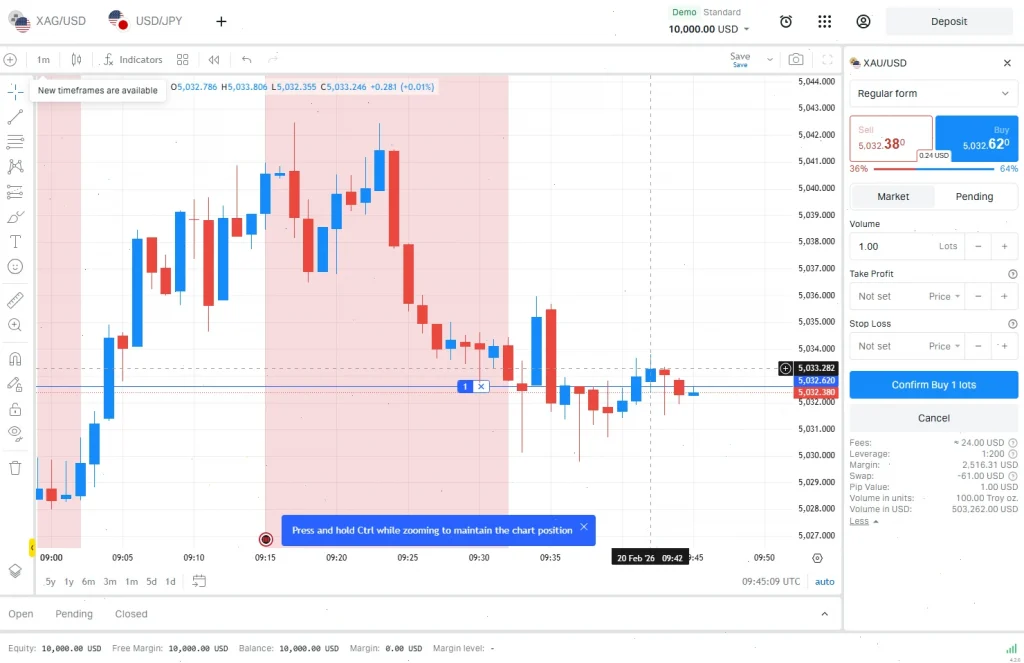
Key Differences Between CFD and Futures Trading
Contract Specifications and Standardization
CFDs provide flexible contract sizes adaptable to trader preferences. Our platform permits fractional shares, adjustable position sizes, and leverage tailored to account equity. Traders can open small or large positions based on risk appetite. This flexibility is advantageous for retail traders with limited capital.
Futures contracts are standardized by exchanges, defining fixed quantities and quality for each asset. For instance, crude oil futures represent 1,000 barrels per contract, while gold futures cover 100 troy ounces. This standardization ensures liquidity but requires higher capital.
Settlement and Delivery Mechanisms
CFDs settle in cash via price difference calculations upon closing positions. Our system credits or debits accounts automatically without physical asset exchange. This eliminates delivery risks and simplifies position management.
Futures may settle physically or in cash depending on contract terms. Many financial futures settle in cash, but commodity futures often require physical delivery. Traders must manage contract expirations to avoid delivery obligations or rollover costs.
| Aspect | CFDs | Futures |
|---|---|---|
| Contract Size | Customizable | Fixed |
| Expiration | None | Specified date |
| Settlement Type | Cash | Cash/Physical |
| Delivery Risk | None | Possible |
| Margin Flexibility | Variable | Standardized |
Trading Costs and Fee Structures
CFD Trading Costs
Our CFD pricing is primarily spread-based with zero commissions on most instruments. Typical spreads range from 0.1 to 3 pips on major forex pairs. Overnight financing fees apply to positions held past market close, calculated using interbank rates plus a small markup. Currency conversion fees may occur for cross-currency trades. Dormant accounts attract inactivity fees after prolonged inactivity.
Futures Trading Expenses
Futures incur commissions and exchange fees passed directly to traders. Commissions vary by contract and volume, usually between $2 and $10 per contract. Exchange and clearing fees apply without markup. Real-time data subscriptions may be required for some futures contracts. Physical delivery contracts may involve additional costs.
| Cost Type | CFDs | Futures |
|---|---|---|
| Commission | None (mostly) | $2 – $10 per contract |
| Spread | Variable | Usually fixed |
| Overnight Fees | Applied | Not applicable |
| Exchange Fees | Included in spread | Passed through |
| Data Fees | Free | May apply |
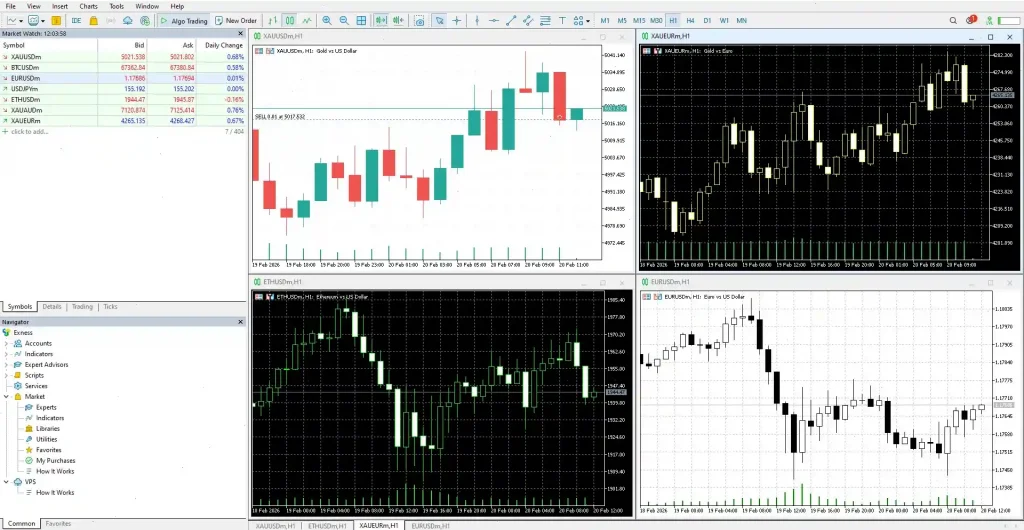
Leverage and Margin Requirements
Leverage on our platform differs between CFDs and futures. CFDs offer high leverage up to 1:2000 for major forex pairs, 1:500 for commodities, and 1:100 for stocks. This allows large exposure with minimal capital, increasing both profit potential and risk.
Futures leverage is set by exchanges, with initial margins typically 3-15% of contract value. Maintenance margins trigger margin calls if equity falls below thresholds. Our risk system monitors margin levels in real time, alerting traders to required actions.
- CFD leverage adjusts dynamically with volatility and account status
- Futures margins remain fixed per exchange rules
- Weekend and holiday periods can increase margin requirements
- Major economic releases may temporarily reduce available leverage
- Account verification affects maximum leverage allowed
| Instrument | Max Leverage | Margin Call Level | Stop Out Level |
|---|---|---|---|
| Major Forex CFDs | 1:2000 | 50% | 20% |
| Commodity CFDs | 1:500 | 50% | 20% |
| Stock CFDs | 1:100 | 50% | 20% |
| Index Futures | Exchange-specific | 100% | 100% |
| Commodity Futures | Exchange-specific | 100% | 100% |
Market Access and Trading Hours
CFD Market Availability
CFD trading is available 24 hours on weekdays for forex, ensuring continuous access aligned with global markets. Commodity and index CFDs follow exchange hours with extended sessions where applicable. Stock CFDs include pre-market and after-hours trading to maximize opportunity.
Our infrastructure ensures 99.9% uptime with real-time price feeds from diverse liquidity providers. This guarantees competitive spreads and minimal slippage during normal market activity.
Futures Market Sessions
Futures follow exchange-specific opening and closing times, usually aligned with business hours of respective markets. Major venues like CME, ICE, and EUREX are accessible through our platform. Electronic trading extends availability closer to 24 hours for many contracts.
Our interface displays exact trading hours for each futures contract, enabling traders to plan entries and exits with precision.
Risk Management and Position Control
Stop Loss and Take Profit Implementation
Our CFD trading supports advanced orders including stop loss, take profit, and trailing stops. These execute automatically at set price levels, helping manage risk without constant supervision. We ensure stop loss orders fill at requested prices under normal market conditions.
Execution speed averages under 0.1 seconds using proprietary technology. Our risk system prevents negative balances by closing positions when equity nears zero, protecting deposited capital.
Futures Risk Management
Futures stop orders may experience slippage during volatility, affecting execution price. Our platform provides market depth data to assess liquidity before order placement. Traders should consider this when managing large futures positions.
Risk tools include real-time profit/loss tracking, customizable alerts, position sizing calculators, correlation analysis, and volatility data to inform decisions.
| Risk Feature | CFD Trading | Futures Trading |
|---|---|---|
| Stop Loss Execution | Guaranteed at limit | Possible slippage |
| Execution Speed | <0.1 seconds | Exchange-dependent |
| Negative Balance Protection | Yes | Depends on broker |
| Risk Alerts | Customizable | Customizable |
| Market Depth Info | Available | Available |
Tax Implications and Regulatory Considerations
Tax Treatment
Profits from CFD trading are typically exempt from capital gains tax because the country imposes no personal income tax on investments. Traders should seek professional advice for individual tax situations. We supply detailed trading reports to assist in accurate record keeping.
Our compliance aligns with financial regulations and international anti-money laundering standards. Client funds are held in segregated accounts at top-tier banks, ensuring safety and transparency. Regular external audits confirm our adherence to regulatory requirements.
Regulatory Framework Differences
Futures trading is governed by exchange rules with mandatory reporting and position limits. Large traders must disclose holdings to maintain market transparency and reduce speculation risks. This regulation adds oversight but can limit flexibility for some traders.
Our platform holds licenses in multiple jurisdictions, balancing regulatory compliance with operational flexibility. Clients benefit from stringent legal protections while accessing diverse markets.
Choosing Between CFD and Futures Trading
Selecting CFDs or futures depends on trading goals, capital size, and risk appetite. CFDs are ideal for traders needing flexible position sizes, extended hours, and no contract expiration. They allow longer holding periods without rollover costs.
Futures suit traders seeking standardized contracts, transparent pricing, and regulated trading environments. Institutional traders favor futures for efficient large order execution and central clearing that reduces counterparty risk.
| Consideration | CFDs Preferred | Futures Preferred |
|---|---|---|
| Capital Needs | Small accounts | Large accounts |
| Flexibility | High | Standardized |
| Market Access | Extended hours | Exchange hours |
| Position Sizes | Variable | Fixed |
| Regulatory Oversight | Less | More |
Beginners often find CFDs easier due to simpler mechanics. Futures require deeper understanding of market dynamics and risk controls. We encourage new traders to use demo accounts replicating live market conditions, enabling practice without monetary risk.
Our educational resources cover both instruments, empowering traders to build skills and choose suitable instruments aligned with their strategies.
❓ FAQ
What is the main difference between CFD and futures trading?
CFDs have no expiry and flexible contract sizes, while futures have fixed expiration dates and standardized contracts.
How can I manage risk when trading CFDs on Exness?
Use stop loss, take profit, and trailing stop orders, all supported by our platform with fast execution and negative balance protection.
Are CFD trading profits taxable?
Generally, there is no capital gains tax on CFD profits, but consult a tax advisor for specific circumstances.
Can I trade both CFDs and futures on Exness?
Yes, our platform provides access to both with tailored tools and market data for each instrument type.
What leverage does Exness offer for CFDs and futures?
CFDs offer leverage up to 1:2000 on forex, while futures leverage depends on exchange margin requirements, typically 3-15%.