
Exness Education and Trading Resources
Access comprehensive trading education resources through Exness. Master forex, CFDs, and platform tools with expert guidance.
Getting Started with Exness Learning Materials
The educational section inside Exness is built in a fairly practical way. After opening an account, users get access to lessons that move from basic ideas to more technical topics without forcing everything at once. It’s not just theory — most modules try to connect concepts directly to real trading situations.
Materials are grouped by difficulty, so beginners don’t get overwhelmed, while experienced traders can skip ahead. The format varies: short videos, written walkthroughs, and occasional live sessions. In practice, many traders end up mixing these formats — watching a quick lesson, then testing it on a demo account.
- Core market mechanics explained in plain terms
- How indicators actually behave in live charts
- Basic risk control approaches used in real trades
- Platform navigation and order placement
- Reading economic calendars without overcomplicating it
| Learning Level | Main Focus | Approx. Time | What You Need Before |
|---|---|---|---|
| Beginner | Platform basics, simple trade logic | 2–3 hours | None |
| Intermediate | Strategy building, combining tools | 4–5 hours | Basic understanding |
| Advanced | Automation, multi-asset workflows | 6–8 hours | Hands-on experience |
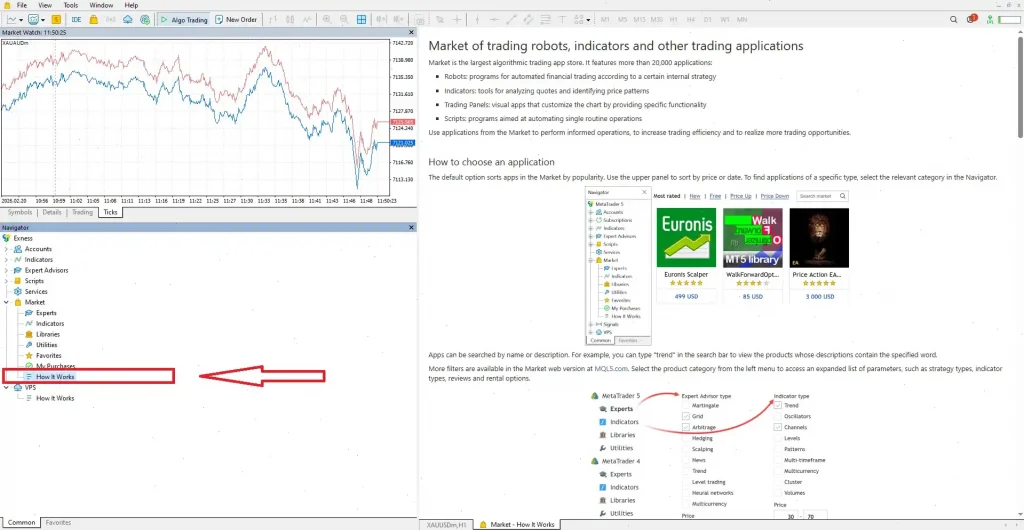
Forex Learning Modules
Understanding Currency Pairs
Forex training focuses on how different types of currency pairs behave — major, minor, and less liquid ones. Instead of just listing definitions, the lessons explain things like spread size and pip value in context. For example, a wider spread often means higher entry cost, which matters more for short-term strategies.
Leverage is also covered with realistic scenarios. While higher leverage can increase potential returns, it also raises the speed at which losses can occur — something many traders only fully realize after practice.
How Economic Data Moves the Market
There’s a section dedicated to economic releases and their impact. Employment reports, inflation updates, and rate decisions are broken down into what they typically mean for price movement. In practice, traders often notice that volatility spikes within seconds of these releases, which can lead to slippage or missed entries.
Technical Analysis Basics
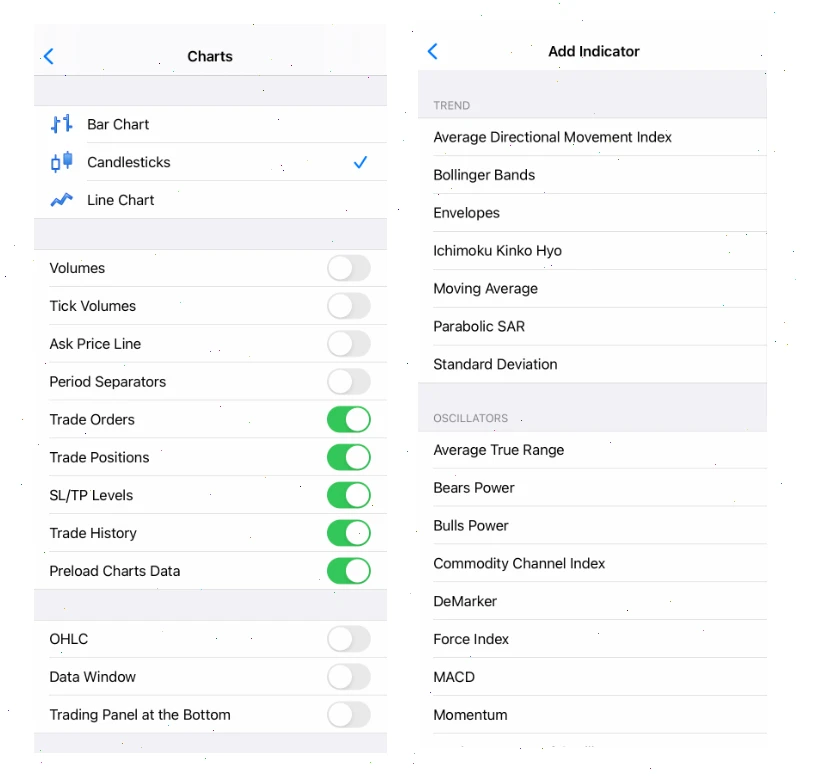
Charts are where most traders spend their time, so the technical modules are fairly detailed. Indicators like moving averages, RSI, and MACD are explained not just as formulas, but as tools with limitations. For instance, lagging indicators may confirm trends, but they rarely predict reversals early.
CFD Trading Basics
Different Types of Instruments
The CFD section looks at indices, commodities, and stocks. Each group behaves differently. For example, indices often react to broader market sentiment, while commodities may be more sensitive to supply data or geopolitical events.
Margin requirements and overnight fees are also explained. These details might seem minor at first, but they can affect longer-term trades — especially when positions are held for several days.
Analyzing CFD Markets
Lessons combine fundamental and technical approaches. Earnings reports, sector performance, and macro trends are used as examples. Many traders end up combining both methods rather than relying on one, particularly when markets are less predictable.
Platform Training
Working with MetaTrader
Training includes step-by-step guidance on MetaTrader 4 and MetaTrader 5. The focus is practical: placing orders, adjusting charts, and managing open trades. Mobile versions are also covered, which is useful since many users check positions on their phones throughout the day.
Advanced Tools and Automation
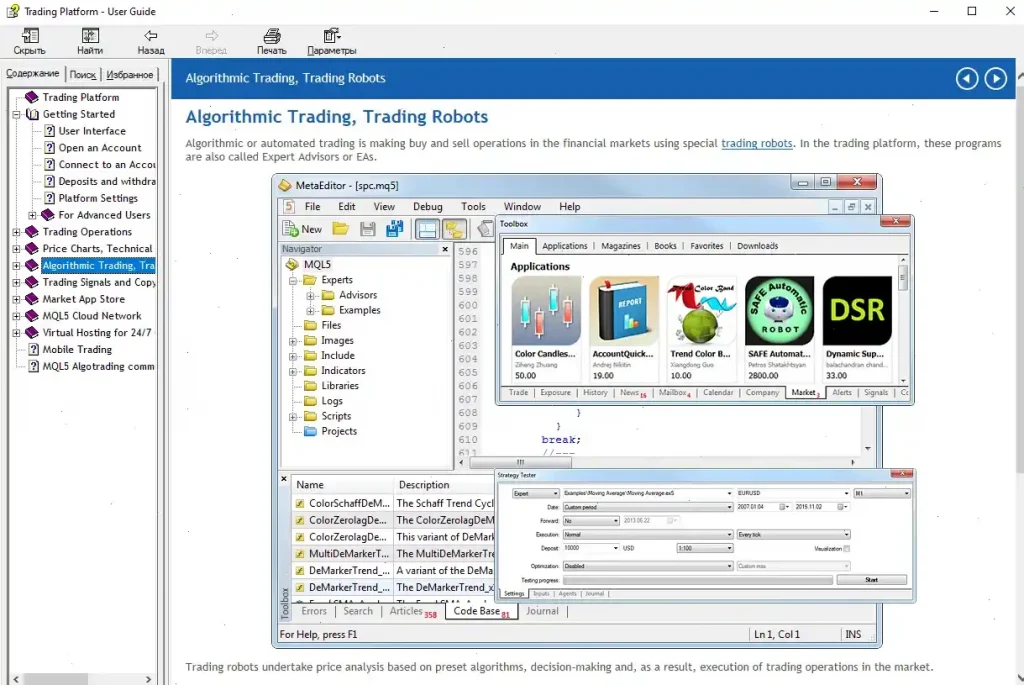
For those going further, there are lessons on automated trading. This includes setting up Expert Advisors and testing strategies on historical data. Backtesting, for example, helps identify whether a strategy might work — but results can differ in live conditions due to execution speed and market changes.
- Different order types and execution modes
- Custom chart layouts
- Managing automated strategies
- Mobile trading features
- Account protection settings
Risk Management
Position Sizing
Position sizing is one of those areas that looks simple but isn’t. The materials show how to calculate trade size based on account balance and acceptable risk. A common approach is risking 1–2% per trade — small enough to survive a losing streak, but still meaningful over time.
Stop Loss and Take Profit
There’s also a focus on exit planning. Stop loss and take profit levels are explained using both technical zones and volatility. In practice, fixed levels don’t always hold in fast markets, so traders often adjust them or use trailing stops.
Trading Psychology
Managing эмоtions
Even with a solid strategy, emotions can interfere. The lessons touch on common reactions like hesitation after losses or overconfidence after wins. Recognizing these patterns early tends to make a noticeable difference in consistency.
Structured Decision-Making
Decision frameworks are introduced to reduce impulsive actions. Instead of reacting to every price movement, traders are encouraged to follow predefined rules. Over time, this helps build a more stable approach.
- Recognizing emotional triggers
- Avoiding cognitive bias
- Keeping stress under control
- Tracking performance objectively
- Maintaining discipline
Market Analysis Skills
Fundamental View
Fundamental analysis focuses on the bigger picture — economic shifts, policy changes, and global events. These factors don’t always move markets instantly, but they often shape longer-term trends.
Technical Perspective
Technical analysis dives deeper into price behavior. Pattern recognition, trend identification, and indicator combinations are covered with examples. Many traders eventually blend both approaches, especially when signals conflict.
| Analysis Type | Duration | Practice Work | Evaluation |
|---|---|---|---|
| Fundamental | ~6 hours | 3 case tasks | Scenario review |
| Technical | ~8 hours | 5 chart exercises | Chart-based testing |
| Combined | ~10 hours | 4 simulations | Trading simulation |
Ongoing Learning
Webinars and Live Sessions
Live sessions are held regularly, usually focused on current market conditions or platform updates. They tend to include real-time chart analysis, which can be useful for seeing how theory translates into decisions.
Regular Content Updates
The learning library is updated fairly often. New materials reflect changes in platform features and market behavior. Feedback from users also plays a role, so some topics get expanded over time.
| Resource | Update Cycle | Access | Format |
|---|---|---|---|
| Video lessons | Monthly | Account area | Streaming / Download |
| Guides | Monthly | Account area | PDF / Web |
| Interactive tools | Monthly | Account area | Online modules |
 FAQ
FAQ
How can I access the learning materials?
After creating an account, all educational content becomes available inside the user dashboard. Most materials can be accessed immediately, including videos and guides.
What instruments are covered?
The lessons include forex pairs as well as CFDs on indices, commodities, and stocks. The goal is to give a broader understanding rather than focusing on a single market.
Which platforms are supported?
Training is mainly built around MetaTrader platforms, which work on desktop and mobile devices. This allows users to switch between devices without losing access to their setup.